C. diphtheriae Tox
PCR-based detection and differentiation of toxigenic and non-toxigenic strains of Corynebacterium diphtheriae.
Category «Respiratory tract infections»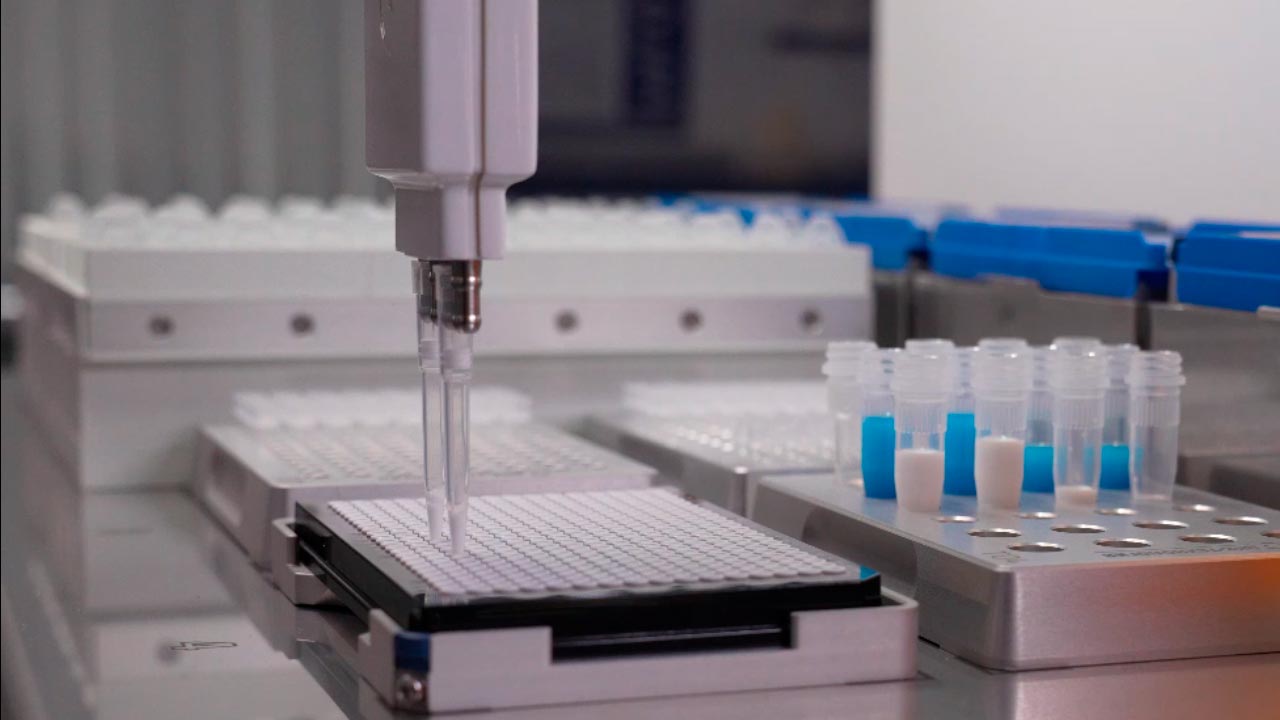
Diphtheriae
Corynebacterium diphtheriae (diphtheriea bacillus or Klebs-Löffler bacillus), is a Gram-positive bacterium causing diphtheria, an acute infectious disease. This infection is characterized by inflammatory changes in mucous membranes and/or skin and toxic organ damage mainly within the cardiovascular and nervous systems. The main localizations of the pathological process are the mucous membranes of the oro- and nasopharynx and upper respiratory tract. Mucous membranes of the conjunctiva, genitals, skin and wound surfaces are less frequently affected. The disease is transmitted by airborne and household contact, so it is possible to contract the infection through contact with an infected individual.
The clinical picture
The clinical picture and the severity of the disease depend on the strain of C. diphtheriae. Some strains are toxigenic, others are non-toxigenic; toxigenic strains of C. diphtheriae produce diphtheria toxin, the synthesis of which is determined by the tox gene. Non-toxigenic strains of C. diphtheriae are potential pathogens in the presence of predisposing factors in immunocompromised patients. Some non-toxigenic strains of C. diphtheriae have a silent tox gene and do not produce the diphtheria exotoxin due to mutations in this gene. The epidemiological significance of such strains is not fully clear.
The initial phase of the infection is associated with the adhesion and colonization of C. diphtheriae. In addition to diphtheria toxin, on days 2-4 of the incubation period, C. diphtheriae starts producing a number of pathogenicity factors. These include necrotoxin, which causes cell necrosis at the pathogen localization site, hemolysin, and enzymes such as hyaluronidase, neuraminidase, and others. Diphtheria toxin enters the lymphatic and blood circulatory systems, binds to complement receptors in various tissues and causes acute lesions of the target organs: heart (diphtheritic myo- and pericarditis), nervous system (diphtheritic polyneuropathy) and kidneys (diphtheritic nephropathy).

Advantages of PCR
When the DNA of toxigenic C. diphtheriae strains is detected, true toxigenicity should always be confirmed by phenotypic tests.
Diagnosis of infectious diseases by real-time PCR has significant advantages, including:
- High sensitivity and specificity. Even minimal amounts of pathogen DNA can be detected using PCR. This is especially important in the early stages of the disease when other diagnostic methods may yield negative results.
- Quick results. Unlike standard microbiological diagnostic methods, real-time PCR provides results within a few hours

Indications
-
 Severe sore throat
 -
 Sudden onset of fever
 -
Muscle pain
-
 Runny nose and strong cough
 -
 Atypical tonsillitis
 -
 Recent contact with a diphtheria patient
 -
 Exposure to foci of infection
 -
 Confirmation of pathogen toxigenicity
C. diphtheriae Tox
C. diphtheriae Tox Multiplex REAL-TIME PCR Detection Kit is intended for detection of DNA and differentiation of toxigenic and nontoxigenic strains of C. diphtheriae in human biological material and bacterial cultures from this biomaterial by real-time polymerase chain reaction.
Samples: human biological material (smears/sсrapes from nasopharyngeal, oropharyngeal mucous membrane, smears from the affected skin areas) and bacterial cultures from this biomaterial.
READ MORE
Ask questions
Please note that the specialists of the DNA Technology company provide consultations exclusively to medical specialists on the application and research features. Requests related to the appointment, delivery, or interpretation of tests are not considered. For relevant information, we recommend contacting the laboratory directly.