Human papillomavirus
Human papillomavirus (HPV) is a group of DNA-containing viruses comprising over 100 strains. Based on their ability to induce neoplastic processes, HPVs are classified into low-risk and high-risk oncogenic groups. According to the WHO data, high-risk oncogenic HPV types include 16, 18, 31, 33, 35, 39, 45, 51, 52, 56, 58, 59, 66, and 68.
HPV is the primary etiological factor in the development of a wide range of oncological diseases, including cancers of the cervix, vulva, vagina, anal canal, penis, head and neck, and esophagus, as well as anogenital condylomas and recurrent respiratory papillomatosis.
HPV is a highly contagious mucosotropic and dermotropic virus, transmitted through any form of sexual contact, as well as via contact with contaminated objects and vertical transmission. During infection, the virus targets undifferentiated, actively proliferating cells of the basal layer, which become a permanent source of infection for epithelial cells. The viral oncoproteins E5, E6, and E7 disrupt cell cycle regulation, leading to uncontrolled cell division and the accumulation of genetic damage. Long-term persistence of HPV (more than 2 years) is the main factor in the development and progression of neoplastic changes.
HPV infection causes approximately 5% of all cancers worldwide, with HPV-associated cancer diagnosed annually in 625,600 women and 69,400 men. Approximately 50% of cervical precancerous conditions are caused by HPV types 16 and 18. In the remaining cases, other HPV types are the etiological factor, making it essential to detect the broadest possible range of high-risk oncogenic HPV types.
An extended genotyping is necessary not only for squamous cell lesions of the cervix but also for screening for glandular cervical neoplasia, given the high prevalence of HPV types 16, 18, and 45 in tumors and their precursor lesions.

Indications
-
 Follow-up monitoring of patients with HPV-associated conditions
 -
 Routine check-up
 -
 Unprotected sexual intercourse
 -
 Clarification of diagnosis
 -
 Cervical pathology
 -
 Findings on colposcopy or cytology
 -
 History of other sexually transmitted infections or concurrent STIs
HPV Screen
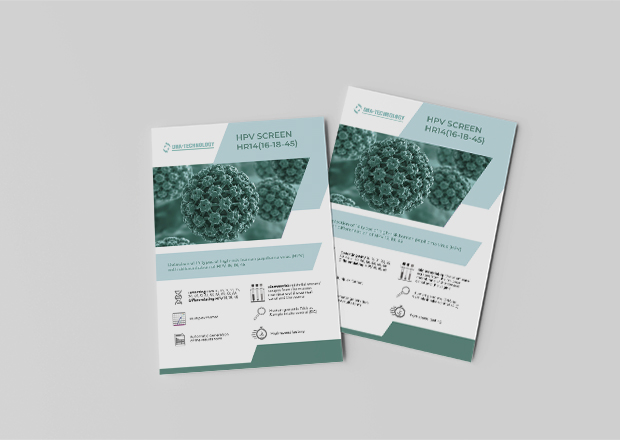
The HPV Screen test is designed for detection of DNA of 14 HPV types with high oncogenic risk (16, 18, 31, 33, 35, 39, 45, 51, 52, 56, 58, 59, 66, 68 types) associated with cervical cancer, with differentiation of types 16, 18, 45, in human biological material by real-time PCR. The kit can be used in clinical diagnostic laboratories of medical institutions and in research practice.
Biomaterial: epithelial swabs/scrapes from mucous membrane of cervical canal, vagina.
Find out more

Information
Ask questions
Please note that the specialists of the DNA Technology company provide consultations exclusively to medical specialists on the application and research features. Requests related to the appointment, delivery, or interpretation of tests are not considered. For relevant information, we recommend contacting the laboratory directly.