UMC Multiplex
The multiplex PCR test for simultaneous detection of Ureaplasma urealyticum and Ureaplasma parvum, Mycoplasma genitalium, Chlamydia trachomatis.
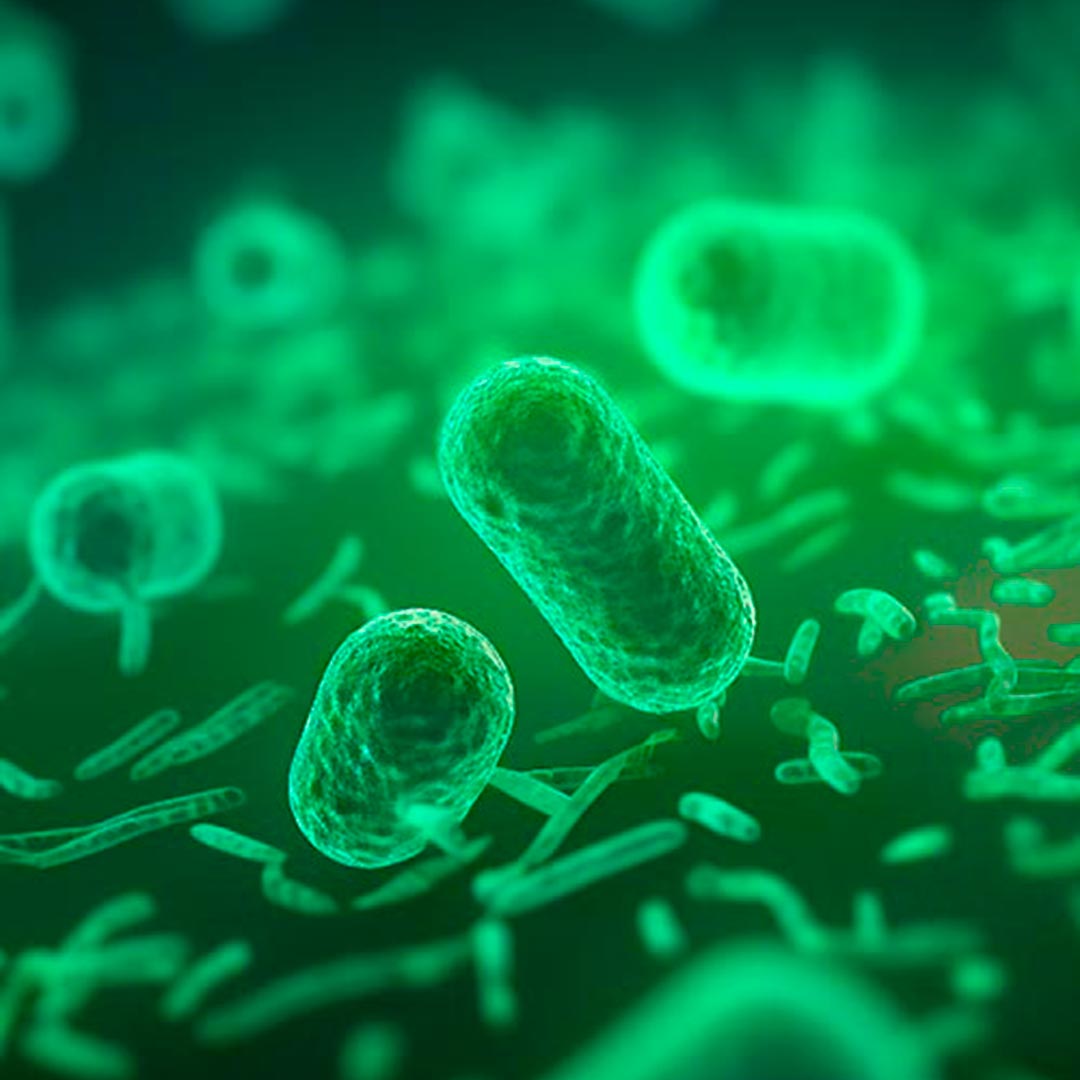
Ureaplasma urealyticum and Ureaplasma parvum
Ureaplasma urealyticum and Ureaplasma parvum are opportunistic bacteria that, under certain conditions, can cause urethritis, cervicitis, cystitis, as well as lead to pregnancy complications, postpartum complications, and post-abortion complications. According to several studies, ureaplasmas may influence premature rupture of birth membranes and may be associated with placental inflammation and the neonatal respiratory distress syndrome. U. urealyticum may increase the risk of infection with high-risk oncogenic HPV, while U. parvum may play a synergistic role in the initial stage of cervical lesions caused by papillomavirus infection. Ureaplasmosis in men can lead to urethritis, cystitis, prostatitis, orchitis, epididymitis, and a reduction in sperm count and motility.
Mycoplasma genitalium
Mycoplasma genitalium is a pathogenic microorganism belonging to the class of motile bacteria. M. genitalium exhibits tropism for columnar epithelium and can infect the mucous membranes of the urethra and cervical canal. The etiological role of M. genitalium in the development of epididymitis and prostatitis is debated, but conclusive evidence on this matter has not yet been established. In more than 50% of women, the disease follows a subjectively asymptomatic course. In cases of ascending infection, the development of endometritis and salpingitis is possible. Pelvic inflammatory disease (PID) associated with M. genitalium is characterized by fewer inflammatory markers and less pronounced clinical symptoms, complicating timely diagnosis and increasing the risk of complications such as infertility, miscarriage, adhesions, chronic pelvic pain syndrome, and ectopic pregnancy.

Chlamydia trachomatis
Chlamydia trachomatis is an obligate intracellular pathogen; the most common etiological agent of bacterial sexually transmitted infections. Chlamydia exhibits tropism for columnar epithelium and can infect the mucous membranes of the urethra, cervical canal, rectum, oropharynx, and conjunctiva. The most frequent clinical manifestations are mucopurulent cervicitis in women and urethritis and prostatitis in men. However, it is crucial to consider that both sexes often experience a subjectively asymptomatic course of chlamydial infection, which prevents diagnosis of the infectious-inflammatory process in its early stages before complications develop.
In the absence of treatment or with delayed therapy, the infectious process can become ascending and/or chronic, leading to severe complications such as pelvic inflammatory disease (PID) in women, chronic prostatitis in men, and infertility in individuals of both sexes. PID increases the risk of adhesions, chronic pelvic pain syndrome, and ectopic pregnancy. Chlamydial infection in pregnant women can lead to miscarriage and pregnancy loss, the development of fetoplacental insufficiency, intrauterine fetal infection, postpartum inflammatory diseases, and neonatal infections.

Multiplex PCR advantages
- Simultaneous detection of multiple pathogens enables accurate diagnosis: A characteristic feature of urogenital tract infections is the frequent association of opportunistic and pathogenic microorganisms with each other (mixed infection), the lack of pathognomonic symptoms, and non-specific clinical presentations with a predominance of chronic disease forms. This necessitates comprehensive diagnostics to establish a diagnosis and prescribe a causal therapy.
- Time-saving: Multiplex PCR allows for etiological and differential diagnosis to be conducted within a short timeframe, even in asymptomatic cases. This facilitates the prescription of an effective therapy, helps prevent the development of a chronic inflammatory process, and curbs further spread of the infection.
Indications
-
 Clinical and/or laboratory signs of a urogenital tract inflammatory process, including during pregnancy
 -
 Redness, itching, swelling
 -
 Unpleasant odor
 -
 Reproductive disorders
 -
 Preconception examination, including preparation for IVF
 -
 Assessment of therapy efficacy and treatment outcomes
 -
 Pelvic surgery
 -
 STIs in sexual partner
UMC Multiplex
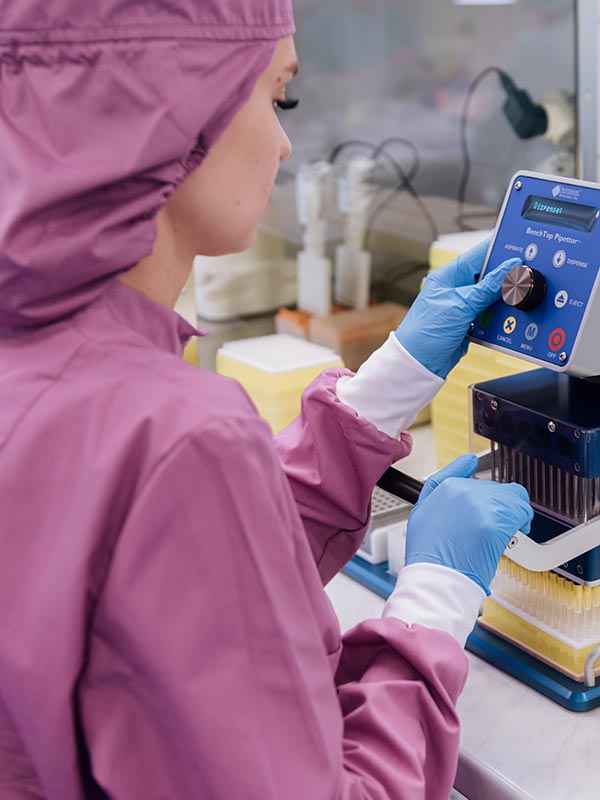
The UMC Multiplex reagent kit is designed for simultaneous detection of Ureaplasma urealyticum and Ureaplasma parvum (without differentiation*), Mycoplasma genitalium, Chlamydia trachomatis DNA in human biological material by multiplex PCR.
Biomaterial: urine, epithelial cell swabs: from vagina (posterolateral fornix), urethra, cervical canal.
* Please use the following reagent kits for differential tests Ureaplasma urealyticum and Ureaplasma parvum.
Find out more
Ask questions
Please note that the specialists of the DNA Technology company provide consultations exclusively to medical specialists on the application and research features. Requests related to the appointment, delivery, or interpretation of tests are not considered. For relevant information, we recommend contacting the laboratory directly.