Microbiota Research
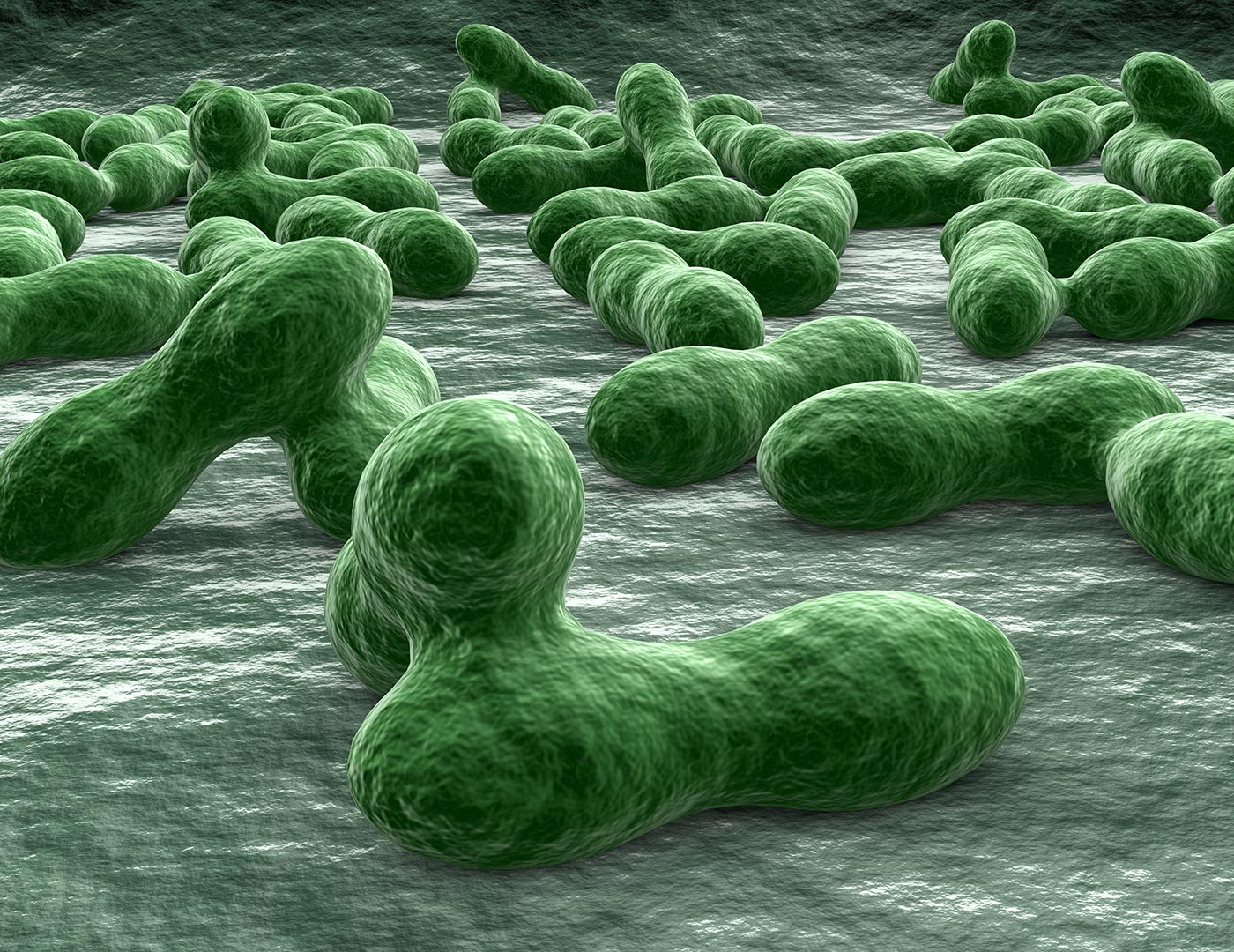
The human microbiome includes more than 10,000 different species of fungi, bacteria, archaea, and viruses. The total number of microbial cells is hundreds of times higher than the number of the human body's own cells. The microbiota plays a huge role in maintaining the health and normal functioning of our body. Symbiotic microorganisms are involved in the digestion and assimilation of nutrients, protect against colonization by pathogens, and influence the regulation of the immune system.
Microbiota PCR assays



Intestinal microbiome
The intestinal microbiome is one of the most actively studied communities of microorganisms. This is due to its immense complexity and lots of interactions with the human organism. An increasing number of studies prove that the intestinal microbiome is involved in the pathogenic mechanisms of various diseases.
- Systemic antibiotic therapy inevitably influences the intestinal microbiome. Often, under such conditions, antibiotic-resistant opportunistic microorganisms thrive, which leads to an increase in their numbers and, thus, dysbacteriosis. Clostridium difficile-associated infection is an example, with a clinical presentation varying from mild diarrhea to systemic inflammatory response syndrome with lethal outcome.
- One of the most dangerous conditions specific to premature babies is necrotizing enterocolitis; it is an acute inflammatory intestine disease which may be complicated with bowel necrosis, intestinal perforation, and general peritonitis. Recent studies show that necrotizing enterocolitis develops as a deviant response of an immature immune system to the microbial colonization of the intestine. There is data on an altered microbiome composition in babies before necrotizing enterocolitis manifests clinically, with a higher relative concentration of Proteobacteria and lower concentrations of Firmicutes and Bacteroidetes.
- There is growing evidence of the intestinal microbiome’s involvement in the pathogenic mechanisms of many other diseases, like type 1 diabetes, obesity, and autism spectrum disorders. Certain intestinal microbiome representatives are involved in colorectal cancer pathogenesis and can be frequently found in the relevant tumor tissues.
ENTEROFLOR®KIDDY
ENTEROFLOR® Kiddy is a one-of-a-kind development by DNA-Technology that allows healthcare professionals to determine the qualitative and quantitative gut microbiota composition in kids from birth to 14 years of age by real-time PCR in just a few hours. The kit assesses 43 specific indicators (ranging from specific species of bacteria and fungi to groups of bacteria) comprising 99.9% of the gut microbiota.
The test is based on gut microbiota state assessment by relative normal and opportunistic microbiota content in total bacterial load (TBL).
MORE ABOUT ENTEROFLOR® KIDDYFemoflor®. Female reproductive system microbiome
Normally, the female urogenital tract (FUT) microbiome is a stable and balanced system. It mainly consists of Lactobacillus species that create an acidic environment in the vagina which, in turn, prevents the proliferation of pathogenic microorganisms. The rest is opportunistic microflora: staphylococci, streptococci, Gardnerella, Candida fungi. In small quantities, they are not harmful to the body, but can lead to diseases if their proportion in the microbiome increases (due to stress, weakened immunity, antibiotic use, or hormonal changes). A link has been established between clinically expressed infection, inflammation, and impaired reproductive function. It is important to consider that even minor changes in the microbiome can affect the functioning of the female reproductive system.
Femoflor® is a multiplex study of the female urogenital microbiota by real-time PCR, acknowledged by both Russian and foreign clinicians. It allows for the high-precision determination of the quantitative and qualitative composition of the female urogenital tract microbiota to diagnose such diseases as bacterial vaginosis, aerobic vaginitis, and vulvovaginal candidiasis.
MORE ABOUT FEMOFLOR®

Androflor®. Male reproductive tract microbiome
The male urethral microflora is mainly represented by staphylococci, streptococci, and Corynebacterium species entering urethra from the skin.
Personal hygiene issues, the use of broad-spectrum antibiotics, or metabolic disorders can affect the normal urethral microflora composition. Infectious and inflammatory diseases of the genitourinary system in men are one of the causes of reproductive dysfunction and a reduced quality of life.
Androflor® is a multiplex study of the male urogenital microbiota by real-time PCR developed and produced by the Russian company DNA-Technology. It allows for the high-precision determination of the quantitative and qualitative composition of the male urogenital tract microbiota to diagnose UGT dysbiosis, infections, and possible causes of infertility.
MORE ABOUT ANDROFLOR®
PCR microbiota assay
- Real-time PCR testing allows for rapid and accurate determination of both the qualitative and quantitative composition of a biotope’s microbiota.
- The PCR method does not require culturing: the result is based on the detection of microbial DNA fragments.
- Unlike microscopy, PCR is an instrumental methodology and is independent of the specific specialist’s level of training. Therefore, the risk of incorrect, subjective interpretation of test results is eliminated.
- Compared to modern sequencing methods, PCR is significantly cheaper and simpler. NGS can also provide an accurate answer regarding the qualitative composition of the microbiota, but the complexity of data processing prevents its widespread use in clinical practice.

Information





Ask questions
Please note that the specialists of the DNA Technology company provide consultations exclusively to medical specialists on the application and research features. Requests related to the appointment, delivery, or interpretation of tests are not considered. For relevant information, we recommend contacting the laboratory directly.