

PCR tests for diagnostics and disease prevention in children
Molecular biological research in pediatrics offers ample opportunities for timely diagnosis of a variety of infectious and genetic conditions, thus enhancing the efficiency of medical care and improving prognosis for young patients.
Analyzing gut microbiota of children
Analyzing children’s intestinal microbiota by PCR allows not only to assess the presence of pathogenic microorganisms, but also to determine the state of gut microbiota based on the ratio between normal and opportunistic microbiota. The «Enteroflor® Kids» reagent kit includes taxa that make up at least 99.9% of the representatives of children’s intestinal microbiota.Molecular genetic diagnosis of viral infections
PCR allows to accurately identify Epstein-Barr virus (EBV), smallpox virus (VARV), cytomegalovirus, hepatitis B and C viruses, and herpes viruses. Early identification of these infections is crucial for initiating timely treatment and preventing complications.Diagnosing acute respiratory viral infections
PCR aids prompt identification of viral agents causing acute respiratory infections, including various types of influenza, SARS-CoV-2 and respiratory syncytial virus. This is especially important during the epidemic season for early diagnosis and prevention of virus spread.Diagnosing nosocomial infections and antibiotic resistance
Nosocomial infections pose a major threat to children in hospital settings. PCR allows to identify causative agents of nosocomial infections in a few hours, as well as provides information about their resistance to antibiotics to help prescribe effective treatment.PCR screening for newborns
Neonatal screening helps identify the most common diseases that threaten the life and health of babies. Neonatal screening allows doctors to diagnose the disease at the preclinical stage, start treatment in a timely manner and avoid major complications. Molecular genetic methods are the diagnostic standard for spinal muscular atrophy (SMA) and primary immunodeficiency in newborns, and it can also be used to confirm monogenic diseases.Advantages of PCR diagnostics in pediatrics:
- High sensitivity and specificity: PCR shows high diagnostic accuracy, minimizing the likelihood of false negative or false positive results.
- Quick result: results are usually available within a few hours, which is critical for providing timely medical care.
- Multiplex testing: allows multiple pathogens or genetic markers to be detected simultaneously in one test tube, which saves time and reduces the cost of testing.
Our research
-
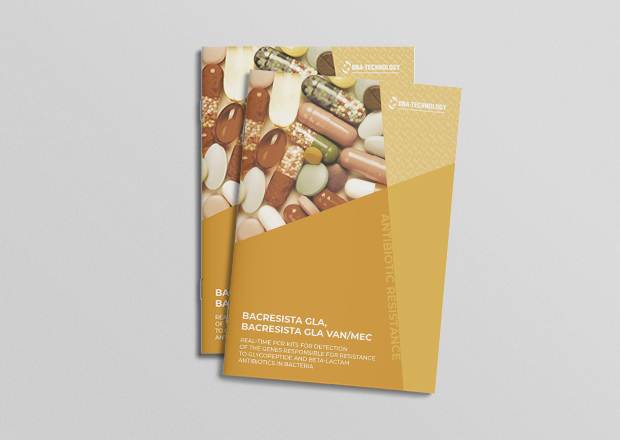
Identification of antibiotic resistance genesThe BacResista GLA study is designed to identify genes of resistance to glycopeptide and beta-lactam antibiotics in DNA preparations.
-
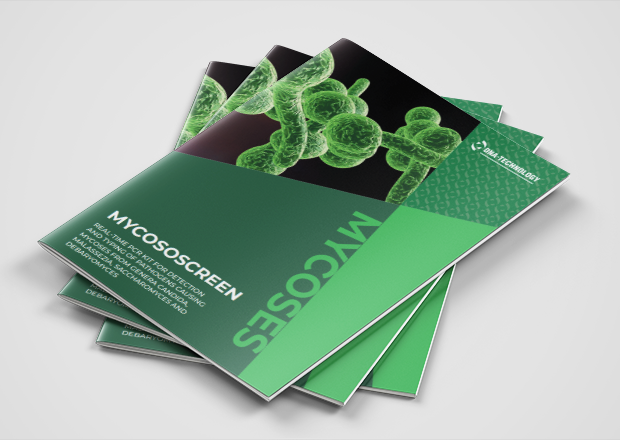
Fungal infectionsA real-time PCR study makes it possible to identify the causative agent of infection with type-level precision in the shortest possible time and select an antimycotic drug correctly.
-
Herpesvirus infectionsFast and accurate PCR diagnostics of the main herpes viruses makes it possible to detect infection at an earlier stage of the disease than the serological testing method.
-
Microbiota researchA comprehensive study of the composition of the microbiota of the large intestine in children from 0 to 14 years old. It allows us to accurately determine the quantitative and qualitative composition of the microbiota in stool and meconium samples.
-
Nosocomial infectionsOpportunistic pathogens (OP) cause infectious diseases similar in clinical manifestation; therefore, it is impossible to accurately identify the pathogen without laboratory tests. Differential diagnosis is necessary for the selection of therapy, including in connection with the acquisition of new properties of OP, such as antibiotic resistance and the ability to adhere and form films.
-
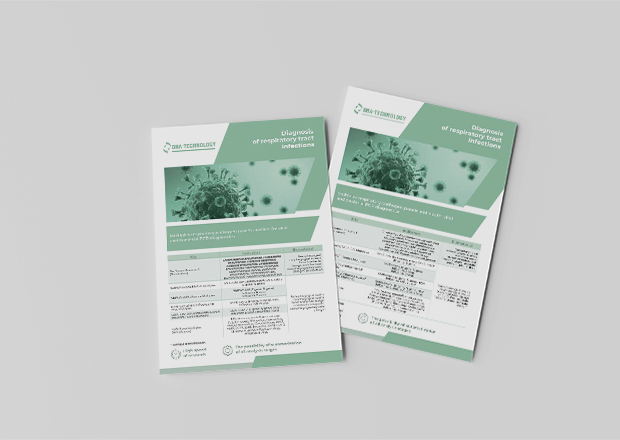
Respiratory tract infectionsThe PCR method is used to diagnose pathogens of acute respiratory diseases. Comprehensive studies are available to identify a wide group of potential pathogens, as well as single tests for a specific type of virus or bacterium.
Information




Ask questions
Please note that the specialists of the DNA Technology company provide consultations exclusively to medical specialists on the application and research features. Requests related to the appointment, delivery, or interpretation of tests are not considered. For relevant information, we recommend contacting the laboratory directly.