Fungal infections
Molecular genetic diagnostics of fungal infections
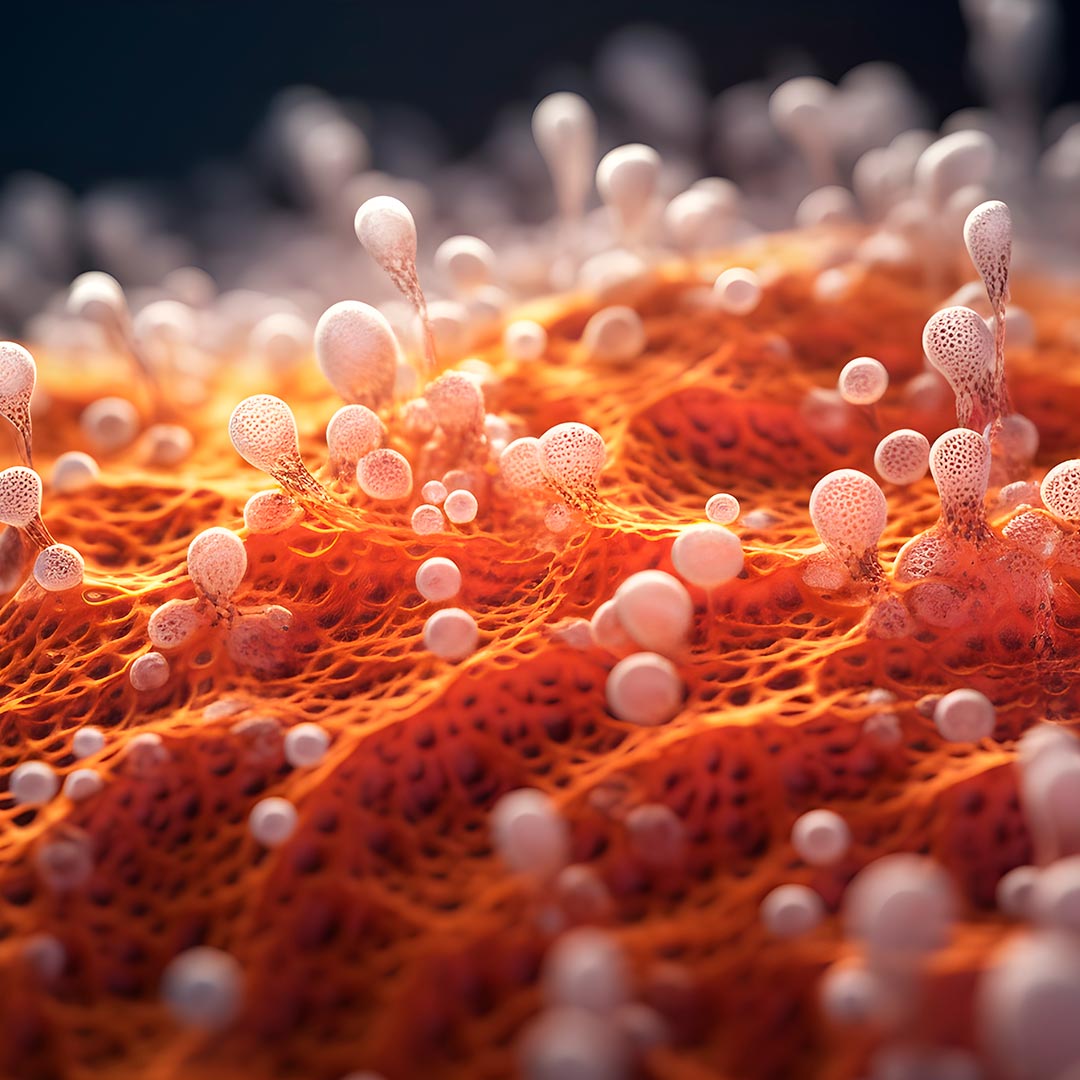
Molecular genetic diagnostics of fungal infections
Candida albicans is an opportunistic microorganism that can cause diseases such as genital candidiasis (thrush), vaginosis, intestinal candidiasis, candidiasis of mucous membranes, all of which are associated with a significant deterioration in quality of life. PCR-based testing for Candida albicans DNA enables timely pathogen detection and treatment prescription, which may involve specific drugs.
A negative test result makes it possible to exclude candidiasis from the differential diagnosis.
MycosoScreen reagent kit
Infections caused by yeast fungi have a wide range of clinical manifestations: from localized skin lesions or lesions of mucous membranes of the urogenital, respiratory and gastrointestinal systems to fungemia and multi-organ damage. As representatives of opportunistic microbiota of the macroorganism, under certain conditions yeast fungi can cause infectious inflammatory lesions of the skin and mucous membranes, as well as severe pathologies or even death. The main representatives of yeast fungi are fungi of the genera Candida, Saccharomyces, Debaryomyces and Malassezia.
Quick and accurate species identification and quantification of fungi is an important step towards diagnosis. And one of the most promising approaches to reaching an accurate diagnosis involves molecular genetic PCR-based methods.

List of PCR studies
-
Candida albicans
A test designed for Candida albicans DNA detection in human biological material by real-time PCR.
Learn more
-
MycosoScreen
A test for detecting and typing fungal pathogens of the genuses Candida, Malassezia, Saccharomyces and Debaryomyces.
Learn more
Information


Ask questions
Please note that the specialists of the DNA Technology company provide consultations exclusively to medical specialists on the application and research features. Requests related to the appointment, delivery, or interpretation of tests are not considered. For relevant information, we recommend contacting the laboratory directly.