
PCR-based diagnostics of infectious diseases
Polymerase chain reaction (PCR) method has long been an indispensable tool for identifying the pathogens causing various infections and monitoring infectious diseases.
Advantages of PCR method for infectious disease diagnostics
- PCR enables detection and identification of infectious agents even when their concentrations in biomaterial is low.
- The results of PCR diagnostics are available in a short time, which allows treatment to be initiated in a timely manner and reduces the risk of infection spread.
- The identification of a specific pathogen and awareness of clinical characteristics of the patient make it possible to develop a tailored treatment plan, thereby increasing the effectiveness of therapy and reducing the likelihood of developing adverse effects.
Detecting herpesvirus DNA
Herpesvirus infection is a chronic relapsing condition, the causative agents of which are members of the herpesvirus family: herpes simplex viruses (HSV), cytomegalovirus (CMV), chickenpox virus, Epstein-Barr virus, herpesviruses types 6, 7 and 8.Herpes simplex virus type 1 (HSV-1) can cause both oral and genital herpes, while herpes simplex virus type 2 (HSV-2) causes genital herpes. Prevention of HSV and CMV infection is particularly important for women during late pregnancy, as this period is characterized by a highest risk of developing neonatal herpes and intrauterine cytomegaloviral infection. The intrauterine form of CMV infection often leads to numerous adverse consequences, including retarded mental development and (partial) hearing loss. Infection with HSV-2 also increases the risk of contracting and transmitting HIV.
Human herpesvirus type 6 can cause multiple sclerosis, encephalitis, infectious mononucleosis, sudden exanthema, chronic fatigue syndrome, and, in cases of long-term persistence, trigger lymphoproliferative diseases.
Human herpesvirus type 8 has tropism for lymphoid, epithelial and dendritic cells. Contracting the virus causes conditions such as Kaposi’s sarcoma, primary lymphomas and Castleman disease.
PCR diagnostics allow to detect infections at an earlier stage compared to serological diagnostic methods.
Epstein-Barr virus DNA detection
Epstein-Barr virus (EBV) is part of the gamma herpes viruses subfamily. It can infect various cell types, including B-lymphocytes and epithelial cells of the mucosa. PCR diagnostics quickly and reliably detect EBV DNA in human biological material, which ensures timely diagnosis and treatment of virus-associated damage, including infectious mononucleosis and B-cell lymphoproliferative diseases.Detecting hepatitis B virus DNA
This test is necessary for diagnosing acute viral hepatitis B during the incubation period and early stages of the disease, when the main serological markers in patient’s blood may still be absent. It can also be used to diagnose and monitor the course of chronic viral hepatitis B and evaluate the effectiveness of antiviral therapy.Detection of hepatitis C virus RNA and determination of the patient’s genotype for initiating antiviral treatment
Hepatitis C is an infectious disease associated with a risk of developing liver cirrhosis and hepatocellular carcinoma in patients with its chronic form. Genotyping hepatitis C virus (the most common genotypes Russia are: 1a, 1b, 2 and 3a/3b) and quantitative assessment of hepatitis C viral RNA (viral load) is necessary for selecting a treatment strategy and evaluating its effectiveness. The patient’s IL28B genotype also influences the treatment efficiency ij case of chronic hepatitis C. Modern antiviral therapy enables effective treatment and elimination of hepatitis C virus.Detecting Corynebacterium diphtheriae DNA
The identification of Corynebacterium diphtheriae and differentiation between its toxigenic or nontoxigenic strains using PCR is recommended for diagnosing diphtheria by МУК 4.2.3852–23 «Лабораторная диагностика дифтерийной инфекции». The use of PCR for diagnosing diphtheria means quicker results and increased sample throughput, however, actual toxigenity has to be confirmed by phenotypic tests in all cases.Detecting Toxoplasma gondii DNA
Toxoplasmosis is one of the so-called TORCH infections that are dangerous for the fetus. Preventing toxoplasmosis infection is of particular importance to pregnant women (primary infection during pregnancy is associated with a risk of intrauterine infection of the fetus, congenital toxoplasmosis and fetal development disorders), as well as for people with immune system disorders (immunodeficiencies).Detection of Toxoplasma gondii DNA in human biomaterial is used in pregnancy planning, or as part of comprehensive toxoplasmosis diagnostics to confirm the acute form of the disease before the appearance of antibodies (also in pregnant women and newborns) and for differential diagnosis of diseases characterized by fever, encephalitis and vision impairments.
Detecting Listeria Monocytogenes DNA
Listeriosis usually occurs with damage to the nervous system or in the form of septic tonsillitis. The risk group for the infection includes pregnant women, children under three years old, elderly people, patients with reduced immunity (including HIV-infected patients), cancers, diabetes mellitus, and patients who underwent organ transplants. Listeria Monocytogenes DNA detection is used in the comprehensive diagnosis of listeriosis.Our research
-
GeneticsThe IL28B ImmunoGenetics study is designed to identify genetic polymorphisms associated with interleukin 28B functions. The results obtained can be used in prescribing combined antiviral therapy for viral hepatitis C.
-
Herpesvirus infectionsFast and accurate PCR diagnostics of the main herpes viruses makes it possible to detect infection at an earlier stage of the disease than the serological testing method.
-
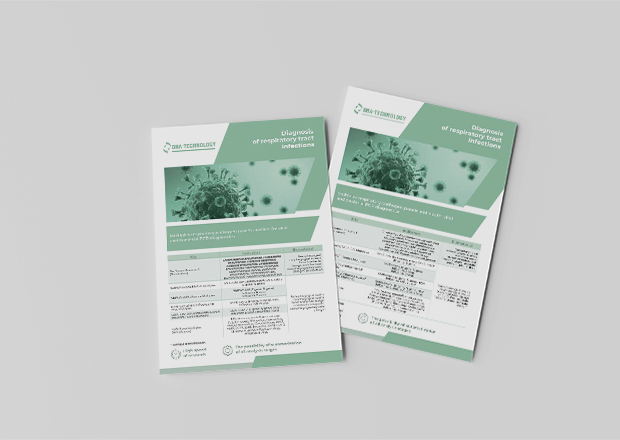
Respiratory tract infectionsThe PCR method is used to diagnose pathogens of acute respiratory diseases. Comprehensive studies are available to identify a wide group of potential pathogens, as well as single tests for a specific type of virus or bacterium.
Information


Ask questions
Please note that the specialists of the DNA Technology company provide consultations exclusively to medical specialists on the application and research features. Requests related to the appointment, delivery, or interpretation of tests are not considered. For relevant information, we recommend contacting the laboratory directly.