Toxoplasma gondii
The test designed for Toxoplasma gondii DNA detection in human biological material by realtime PCR.

Toxoplasma gondii
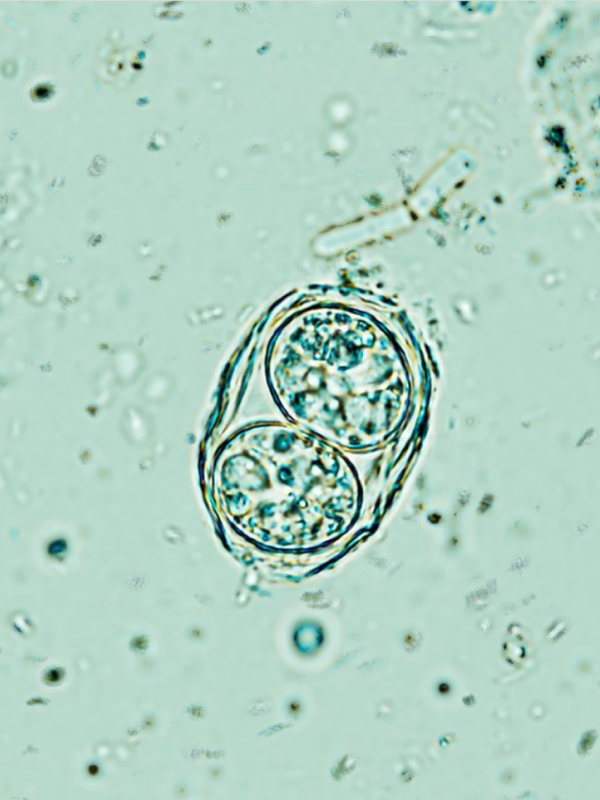
Toxoplasma gondii an obligate intracellular parasite causing toxoplasmosis in humans and animals. This protozoan is spread worldwide, and its mains hosts are Felidae; the full cycle of the parasite’s sexual development takes place in their intestine. Human is an intermediate host and may become infected through contact with cysts in the environment.
There are various routes of toxoplasmosis transition:
- Peroral route. This is the main route of infection, associated with the consumption of raw or undercooked meat products (especially lamb and pork) and eggs containing tissue cysts. Oocysts can also be present on unwashed vegetables, fruits, and in contaminated water.
- Contact with infected animals. Cats are the main definitive hosts of T. gondii; the sexual reproduction cycle of the parasite occurs in their intestines, leading to the excretion of oocysts into the environment.
- Transplacental route. This is one of the most dangerous forms of infection, in which the pathogen crosses the placental barrier from mother to fetus. The probability of fetal infection depends on the stage of pregnancy: the risk of infection increases in the third trimester, but early infection leads to more severe consequences. In terms of frequency, congenital toxoplasmosis ranks second among intrauterine infections (after cytomegalovirus infection).
- Iatrogenic route. Possible during organ transplantation, transfusion of infected blood, or administration of contaminated products of biological origin.

Forms of toxoplasmosis
Toxoplasmosis incubation period varies from 5 to 23 days for the alimental infection route; for the transplacental route, symptoms may occur immediately after birth. Depending on clinical picture, toxoplasmosis forms may be as follows:
- Acute form. Characteristic of primary infection; accompanied by nonspecific symptoms: fever, swollen lymph nodes, myalgia, weakness. In severe cases, hematosplenomegaly development, lesions of lungs and heart are possible.
- Chronic form. It is characterized by periodic exacerbations of the infection against a background of a weakened immunity. The main manifestations are headaches, sleep disturbances, chronic fatigue, psychoneurological disorders, and episodic low-grade fever.
- Congenital toxoplasmosis. Occurs when the fetus is infected during pregnancy. It may be accompanied by hydrocephalus, chorioretinitis, and damage to the liver and brain. In severe cases, it leads to intrauterine death or the birth of a child with serious neurological disorders.
- Toxoplasmosis in immunocompromised patients. Occurs in patients with HIV/AIDS, cancer patients, and individuals after organ transplantation. It is characterized by a severe course with the development of toxoplasmic encephalitis, generalized sepsis, and damage to internal organs.
Means of toxoplasmosis laboratory diagnostics includes microscopy, serology, and PCR. PCR allows for Toxoplasma gondii DNA detection in blood, liquor, amniotic fluid, and biopsy samples.
Indications
-
 Pregnancy (toxoplasmosis screening)
 -
 Suspected congenital toxoplasmosis
 -
 Fever of unknown origin with lymphadenopathy
 -
 Neurotoxoplasmosis in patients with immunodeficiency
 -
 Chorioretinitis of unknown origin
 -
 Preparation for organ transplantation
 -
 Suspected prenatal infection
 Assessment of toxoplasmosis therapy
Toxoplasma gondii
The Toxoplasma gondii test is designed for Toxoplasma gondii DNA detection in human biological material by realtime PCR.
The kit can be used in clinical diagnostic laboratories of medical institutions and in research practice.
Biomaterial: blood, cerebrospinal fluid, amniotic fluid, biopsy samples or punctate from lesions of organs and tissues.
Find out more
Ask questions
Please note that the specialists of the DNA Technology company provide consultations exclusively to medical specialists on the application and research features. Requests related to the appointment, delivery, or interpretation of tests are not considered. For relevant information, we recommend contacting the laboratory directly.