Neisseria gonorrhoeae
The test is designed for Neisseria gonorrhoeae DNA detection in human biological material by real-time PCR.
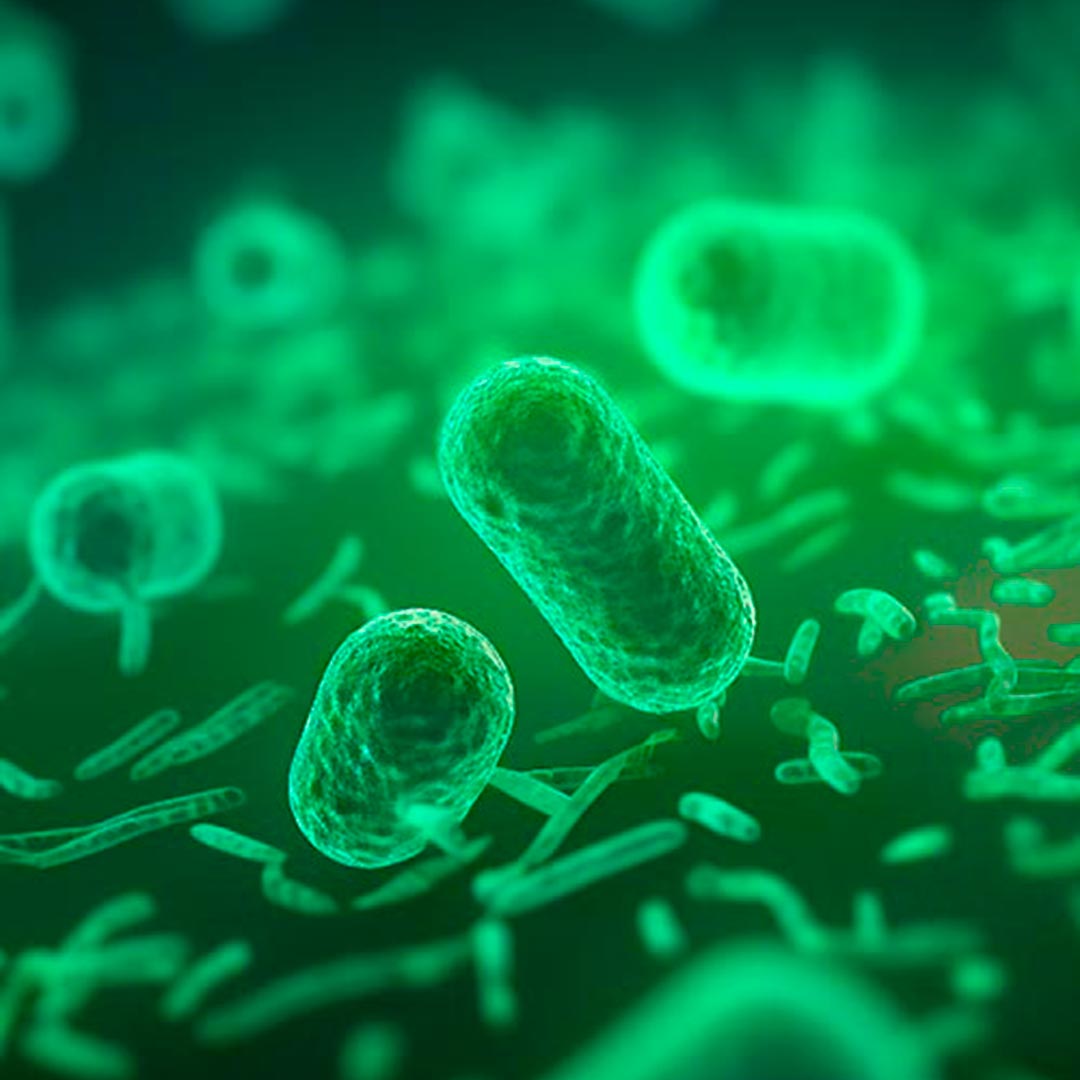
About Neisseria gonorrhoeae
Neisseria gonorrhoeae are gram-negative, non-motile, non-spore-forming bacteria that cause gonococcal infection. Neisseria gonorrhoeae possesses numerous virulence factors that promote adhesion to the epithelial cells of the urogenital tract, anorectal area, oropharynx, and conjunctiva, triggering an inflammatory response with the release of purulent exudate. Gonococci also produce proteases that degrade secretory immunoglobulins, which impedes the effective implementation of the immune response.
Gonorrhea is transmitted primarily through sexual contact. Gonococci infect the columnar epithelial cells of the urethra and cervical canal, spreading along the mucous membrane and lymphatic vessels to other parts of the urogenital tract: the posterior urethra, prostate gland, seminal vesicles, epididymis, fallopian tubes, and ovaries. In women during menopause, the cells of the vaginal epithelium may be affected, leading to vulvovaginitis. In rare cases, the infection can be transmitted from mother to newborn during childbirth, causing neonatal gonococcal conjunctivitis.
Chronic infection can be a cause of infertility in individuals of both sexes. With an ascending pattern of infection, pelvic inflammatory disease (PID) may develop. Gonococcal infection during pregnancy can be associated with adverse birth outcomes, including premature birth, premature rupture of membranes, low birth weight, neonatal ophthalmia, and perinatal mortality.

Main symptoms of gonorrhoeae are:
- In women, the most common clinical manifestations include urethral and/or genital discharge, itching, burning, pain during urination and sexual intercourse, as well as discomfort or pain in the lower abdomen.
- In men, symptoms may include urethral discharge, itching, burning, pain during urination and sexual intercourse, frequent urination, urgent need to urinate, and pain in the perineum radiating to the rectum.
- In extragenital forms of the disease, the mucous membranes of the oropharynx, rectum, and conjunctiva may be affected. Rarely, hematogenous dissemination of gonococci with transient gonococcemia or gonococcal sepsis may occur, presenting as gonococcal septicemia and septicopyemia.
PCR testing enables etiological and differential diagnosis within a short timeframe, even in asymptomatic cases, allowing for timely causal therapy, prevention of complications, and further spread of the infection.

Indications
-
 Signs of urogenital tract inflammatory process
 -
 Redness, itching, swelling
 -
 Unpleasant odor
 -
 Infertility
 -
 Preconception examination, including preparation for IVF
 -
 Assessment of therapy efficacy and treatment outcomes
 -
 Pelvic surgery
 -
 STIs in sexual partner
Neisseria gonorrhoeae
The Neisseria gonorrhoeae test is designed for Neisseria gonorrhoeae DNA detection in human biological material by real-time PCR.
Biomaterial: epithelial cell swabs from urogenital tract, urine, prostate fluid, ejaculate.
Find out more
Information

Ask questions
Please note that the specialists of the DNA Technology company provide consultations exclusively to medical specialists on the application and research features. Requests related to the appointment, delivery, or interpretation of tests are not considered. For relevant information, we recommend contacting the laboratory directly.