HPV QUANT
A test for detection, typing and quantification of low and high oncogenic risk types of human papillomavirus DNA by real-time PCR.

Human papillomavirus
According to the International Agency for Research on Cancer, human papillomavirus (HPV) is a major etiologic factor in cervical, vulvar, vaginal, anal canal, penile, head and neck and esophageal cancers; it can also cause anogenital condylomas and recurrent respiratory papillomatosis. The target cells for the virus are basally located epithelial stem cells. Depending on the ability of HPV to cause neoplastic processes, the viruses are divided into groups with low and high oncogenic risk. According to the WHO, HPV types 16, 18, 31, 33, 35, 39, 45, 51, 52, 56, 58, 59, 66, 68 are of high oncogenic risk.
Papillomavirus infection causes nearly 5% of all cancers worldwide, with the annual rates of HPV-associated cancer diagnoses reaching 625,600 for women and 69,400 for men. Around 50% of cervical precancerous lesions are caused by HPV types 16 and 18; the remaining half of the cases is explained by other HPV types, so it is necessary to identify as many high oncogenic risk HPVs as possible.
WHO recommends testing for high oncogenic risk HPV DNA every 5-10 years as a primary screening tool for women. Expanded genotyping is necessary for cervical glandular neoplasia screening due to the high prevalence of HPV types 16, 18 and 45 infection in neoplasia and the preceding changes.
HPV Quant
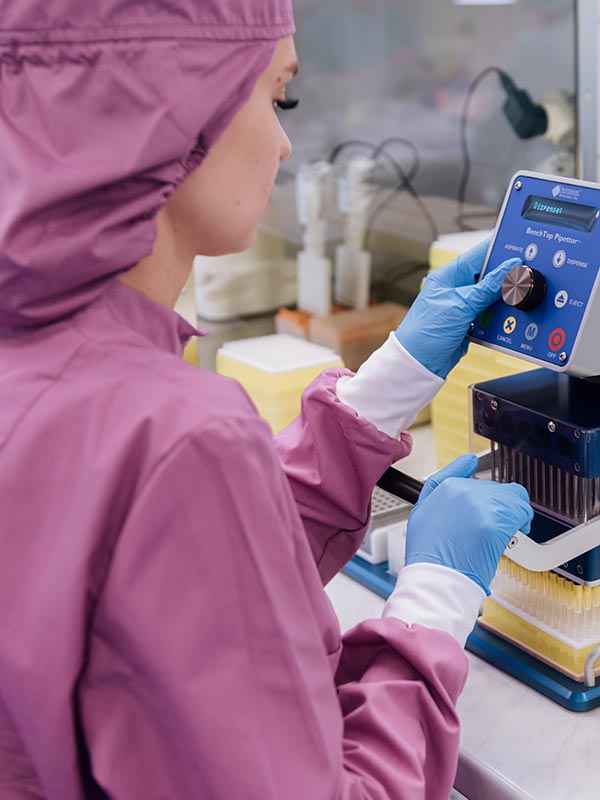
HPV Quant is a range of comprehensive PCR tests for detection, typing and quantification of HPV DNA in human biomaterial samples (e.g. epithelial cell scrapings, prostate secretion, ejaculate, urine, biopsy). These tests can detect the DNA of low and high oncogenic risk HPV. All tests include sample intake control (SIC), which helps identify pre-analytical errors. HPV Quant product range includes 3 detection kits: HPV Quant-4, HPV Quant-15, HPV Quant-21.

HPV Quant-4
Detection, typing and quantification of human papillomavirus DNA of low (HPV-6/11) and high (HPV-16/18) oncogenic risk.
READ MORE
HPV Quant-15
Detection and quantification of human papillomavirus DNA of low (HPV-6/11) and high (HPV types 16, 18, 31, 33, 33, 35, 39, 45, 51, 52, 56, 58, 59, 68) oncogenic risk.HPV Quant-15 test identifies genetically related HPV groups without typing:
- 16, 31, 33, 35, 52, 58, 59
- 18, 39, 45
- 6, 11
HPV Quant-21
HPV Quant-21 is the most detailed test from the range; it includes differentiation and quantification of 21 HPV types. It detects low oncogenic risk HPV types 6, 11, 44 and high oncogenic risk HPV types 16, 18, 26, 31, 33, 35, 39, 45, 51, 52, 53, 56, 58, 59, 66, 68, 73, 82.
HPV Quant results are presented in 3 formats: relative, quantitative and qualitative, customization of the result display format is possible.
- quantitative analysis (copies per sample) — the decimal logarithm (lg) of the HPV DNA copy concentration in the sample.
- relative quantification (X/SIC) — represents the number of HPV copies in 105 cells, given the amount of genomic DNA (SIC) in the sample.
- qualitative analysis — “Detected/Not Detected”, most laboratories disable this column and the results are not displayed.
Quantitative assessment of viral load allows to
- determine the next step in treatment
- evaluate changes of viral load
- monitor therapy efficiency
Indications for testing
-
 Clarifying the diagnosis
 -
 Screening
 -
 Presence of papillomatous growths and changes
 -
 Dynamic monitoring of patients with HPV-associated diseases
 -
 Unprotected sexual intercourse
 -
 Pathology of the cervix
 -
 Changes during colposcopy or cytological examination
 -
 History or current presence of other STIs
HPV QUANT
The HPV QUANT-21 Quantitative REAL-TIME PCR Kit is in vitro DNA test, which is intended for the specific identification and quantification of low-risk (HPV 6, 11, 44) and high-risk (HPV 16, 18, 26, 31, 33, 35, 39, 45, 51, 52, 53, 56, 58, 59, 66, 68, 73, 82) in regard to their oncogenic properties human papillomaviruses in human biological samples.
Sample: epithelial cell swabs, prostate fluid, ejaculate, urine, biopsy material.
READ MORE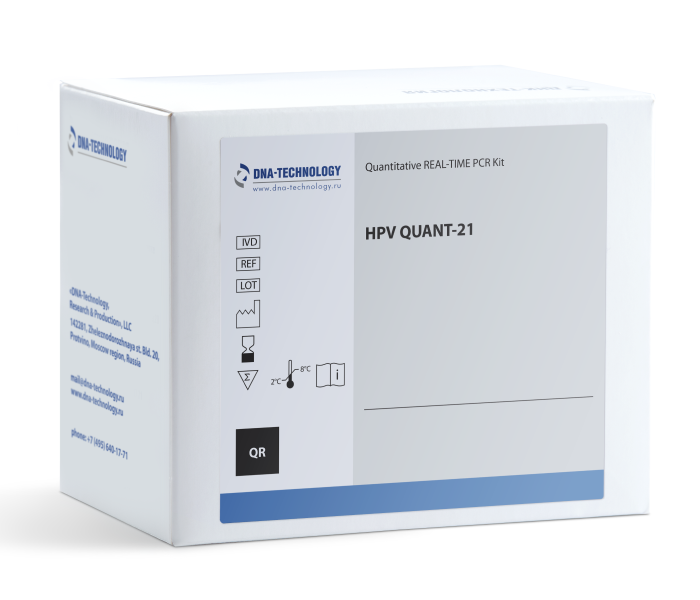
Information

Ask questions
Please note that the specialists of the DNA Technology company provide consultations exclusively to medical specialists on the application and research features. Requests related to the appointment, delivery, or interpretation of tests are not considered. For relevant information, we recommend contacting the laboratory directly.